

Performance Qualification can tell us more than whether a process passes or fails
When a Performance Qualification test produces an unexpected result, it can be tempting to focus immediately on the equipment.
Is the washer-disinfector working correctly? Has the sterilizer developed a fault? Do the cycle parameters need to be adjusted?
Sometimes the equipment is the problem. But often, it is only one part of a much wider picture.
Performance Qualification (PQ) is intended to demonstrate that a reprocessing process performs effectively and consistently under the conditions in which it is actually used. This means assessing more than whether equipment operates according to its programmed parameters.
The reusable medical devices being processed, their preparation and presentation, load configuration, cycle parameters, cleaning chemistry, packaging, services, equipment condition and day-to-day practices can all influence the outcome.
Importantly, these factors do not always act independently.
An unexpected PQ result may therefore be less about identifying a single failed component and more about understanding how the complete process is performing.
When the problem occurs before the equipment
Automated cleaning cannot compensate for every weakness in the process that occurs before an instrument enters the washer-disinfector.
Cleaning efficacy testing undertaken during PQ may identify residual contamination on clinically soiled instruments even though the washer itself appears to be operating normally.
The underlying cause may relate to what happened earlier in the process.
Gross contamination may not have been adequately removed. Soiled instruments may have undergone long dwell times with no pre-treatment applied. Brushing or flushing may not have been sufficient. A device may require additional preparation before automated cleaning. In other situations, the way the device has been presented to the washer may limit exposure to the cleaning process.
Complex reusable medical devices can make these issues particularly apparent.
Hinged, serrated, cannulated and laparoscopic instruments contain areas that can be challenging to access. Placing a cannulated device in a washer basket, for example, does not necessarily mean that water and cleaning chemistry will adequately reach its internal surfaces.
Connections, irrigation, positioning and loading configuration can all influence the result.
The lesson is an important one: the performance of the equipment cannot always be separated from the way reusable medical devices are prepared and presented to it.
When the process being used is no longer the process that was validated
A reprocessing process may have been successfully validated, but this does not mean it has remained unchanged.
Wash times, temperatures and other programmed parameters can change over time. Changes may occur following servicing, maintenance, software updates or operational adjustments and may not always be obvious to the people using the equipment every day.
Even changes made with good intentions can introduce risk.
For example, altering a wash parameter in response to an unexpected routine monitoring result may create a process that is different from the process originally validated.
Equipment may still complete the cycle successfully. The cycle record may not indicate any changes. Yet the facility may no longer be using the process for which validation evidence was originally established.
This is why retaining records of validated parameters and routinely comparing process records against those parameters is an important part of maintaining a validated process.
PQ provides an opportunity to determine whether the process being used today is still the process the facility believes it is using.
When the equipment is working, but the process still isn’t right
A cycle can operate exactly as programmed and still be inappropriate for the reusable medical device being processed.
Manufacturer Instructions for Use, device construction and the intended method of reprocessing all need to be considered when determining which process should be applied.
PQ may identify incorrect chemistry being dosed for the cycle phase, heat-sensitive devices being exposed to temperatures outside specified limits, devices being subjected to inappropriate sterilization cycles, or complex products requiring different process parameters to less challenging products processed within the same facility. SVA have identified all these scenarios (and many others!) across 20 years of conducting Performance Qualification nationwide.
The concept of Product Families and selection of appropriate master products becomes particularly relevant here.
PQ should challenge the process using worst-case products and loads. This helps demonstrate not just that the equipment can complete a cycle, but that the process is suitable for the devices the facility actually reprocesses day-to-day.
Small equipment issues can have significant consequences
Not every performance problem involves a major equipment failure.
Routine cleaning and maintenance of reprocessing equipment can directly influence how effectively the process performs.
During PQ activities, issues may be identified such as debris within washer filters, obstructed spray systems, residues within equipment chambers, damaged seals or deterioration of internal components.
Viewed individually, some of these issues can appear relatively minor.
But a partially obstructed spray arm can impede the wash action and reach within the chamber and affect cleaning chemistry disbursement. Debris accumulating within equipment can alter the environment in which reusable medical devices are being processed. A deteriorating component may continue to function while no longer performing consistently.
PQ provides an opportunity to observe the equipment while it is being used as part of the complete process, rather than considering maintenance status or calibration results in isolation.
Some problems arise from the interaction between the product and the process
Drying efficacy provides another useful example.
A device may meet cleaning or disinfection requirements but still retain residual moisture after completion of the cycle.
It would be easy to conclude that the equipment’s drying stage is inadequate. However, drying performance can also be strongly influenced by device design, material and loading configuration.
Silicone and plastic components, tubing, flexible devices and complex assemblies can retain water even where the equipment is operating as programmed.
Loading technique may also make a significant difference. Consistent positioning that allows water to drain freely can contribute to more reliable and repeatable drying outcomes.
PQ can help distinguish between inadequate equipment performance and a challenge associated with the product, configuration or process.
Depending on the finding, the appropriate response may involve reviewing loading practices, cycle parameters or establishing a separately validated supplementary drying process.
What happens when routine monitoring and PQ tell us different things?
Routine monitoring is an important part of maintaining control between scheduled PQ activities.
But an unexpected routine monitoring result is a signal to investigate, not necessarily proof that the equipment has failed.
There can be circumstances where routine cleaning indicators suggest inadequate performance while assessment of clinically soiled instruments using cleaning efficacy testing produces a different result.
- That apparent contradiction should prompt questions.
- What exactly is each monitoring method assessing?
- Is the routine monitor appropriate for its intended purpose?
- Is it being used according to its instructions?
- Have process parameters changed?
- What does the broader evidence tell us about the performance of the cleaning process?
Simply modifying process parameters until a routine monitor produces a passing result may create an unintended consequence: the facility may change a previously validated process without evidence that the change is appropriate for the reusable medical devices being processed.
Routine monitoring and PQ therefore need to be understood within the broader quality system. Neither should be viewed simply as a result to be made to pass.
A failed test should start a question, not end the investigation
Perhaps the most valuable lesson from unexpected PQ findings is that the visible problem is not necessarily the underlying problem.
- A failed cleaning efficacy test does not automatically mean the washer-disinfector has failed.
- A wet device does not automatically mean the drying cycle is inadequate.
- An unexpected routine monitor does not automatically mean process parameters should be changed.
The underlying issue may involve device preparation, loading configuration, equipment condition, cycle parameters, chemistry, services, device compatibility or routine operating practices. In some situations, several factors may be interacting.
Simply repeating the failed test may confirm that a problem exists. It does not necessarily explain why.
A meaningful investigation asks different questions:
What has influenced this result?
Is the equipment, device or process behaving differently from what was expected?
Has something changed since the process was originally validated?
What evidence is needed to demonstrate that corrective action has addressed the underlying issue?
These questions move Performance Qualification beyond a simple exercise in achieving a pass result.
The real value of PQ
A meaningful Performance Qualification should do more than confirm that equipment completed its programmed cycle or generate a certificate for the compliance file.
It should provide objective evidence about how the reprocessing process performs under the conditions in which it is actually used.
Unexpected findings are therefore not necessarily a failure of PQ. In many cases, identifying them is precisely where PQ delivers its greatest value.
They create an opportunity to investigate the complete process, understand what is influencing the outcome and make corrective decisions based on evidence rather than assumption.
How SVA can help
SVA approaches Performance Qualification as an assessment of the complete reprocessing process, not simply the equipment completing the cycle.
Drawing on multidisciplinary expertise, extensive practical reprocessing experience and independent testing, our team can help investigate unexpected results and identify the factors influencing process performance. By considering the interaction between equipment, reusable medical devices, chemistry, services, environmental conditions and operating practices, SVA helps healthcare facilities move beyond the immediate test result and develop an evidence-based understanding of what is happening within their reprocessing processes.
This article contains original content developed by Sterilizer Validation Australia and may reference third-party standards, guidelines and other published works. Copyright in those referenced works remains with the respective copyright owners.
SVA content may be shared in its original, unmodified form with appropriate acknowledgement. Reproduction, modification, adaptation or commercial use of SVA content requires prior written permission from Sterilizer Validation Australia Pty Ltd.
Copyright © 2026 Process Validation & Design Pty Ltd T/As Sterilizer Validation Australia [SVA]. All rights reserved.
 Article
Selecting Data Loggers for Validation Applications
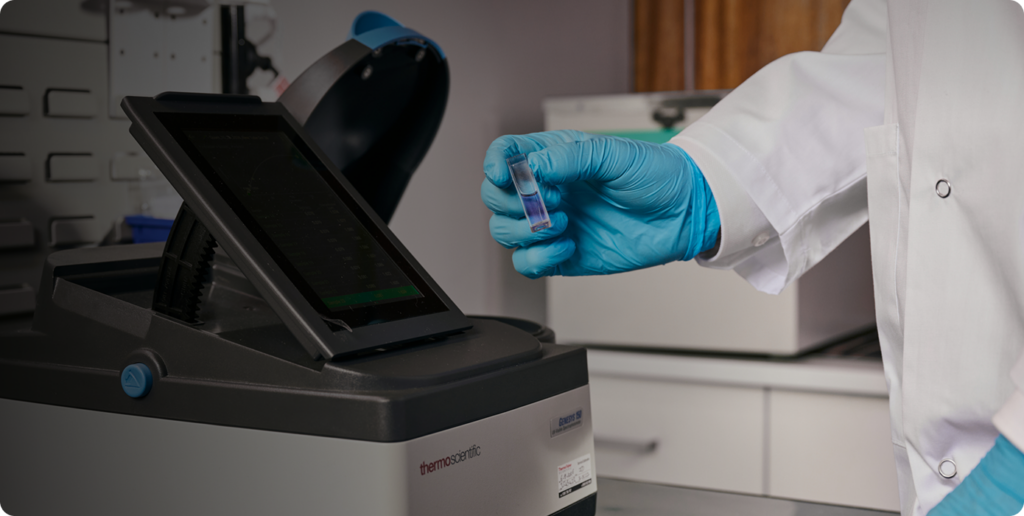
Data loggers provide independent evidence of process conditions during Performance Qualification. However, a logger is not suitable simply because it is calibrated and capable of operating within the required temperature range.
Read article
 Article
Understanding Water Quality in Reusable Medical Device Reprocessing
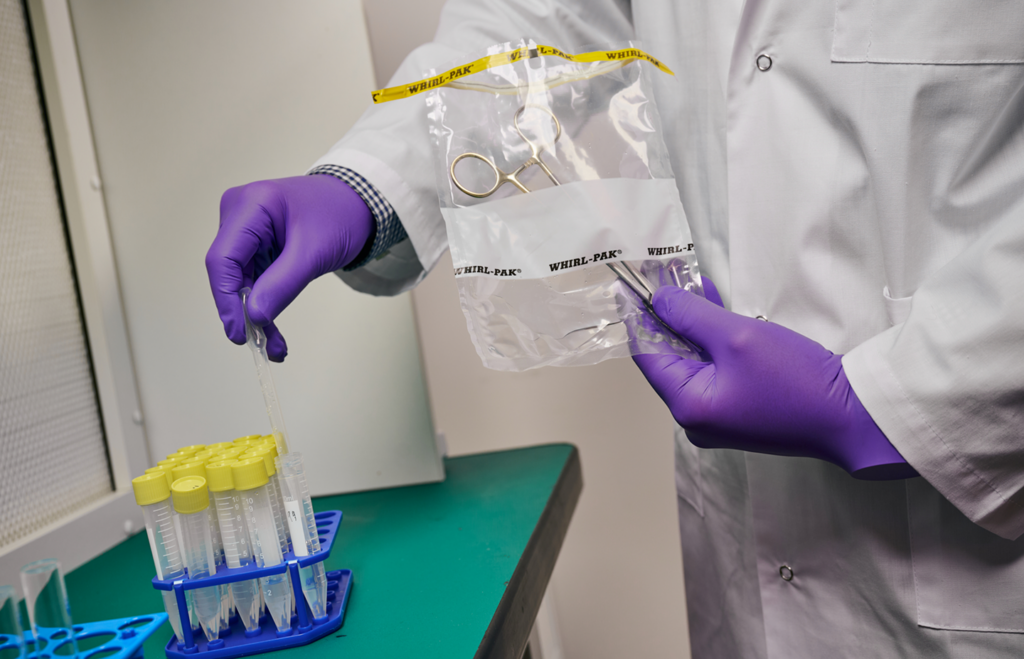
Water is a critical input to reusable medical device (RMD) reprocessing. It is used for cleaning, rinsing and thermal disinfection, and as feedwater for the generation of steam used in sterilization.
Read article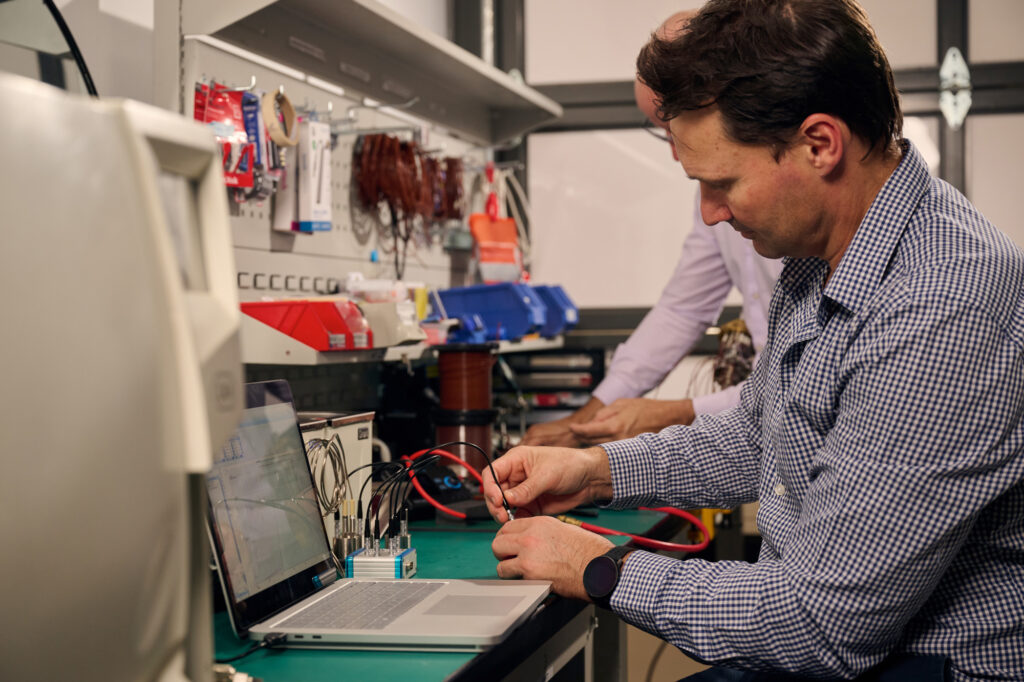 Article
A Guide to Performance Qualification under AS/NZS 5369:2023
Performance Qualification (PQ) forms part of the validation of reusable medical device reprocessing processes.
Read article