


The Challenge
A health service organisation was experiencing repeated failures of routine cleaning monitors used to assess the performance of its automated washer-disinfectors.
Rather than treating the failed monitors as an isolated testing issue, SVA was asked to investigate the cleaning process and determine why the expected cleaning outcome was not being achieved.
Investigating the Process
An SVA technician attended site and undertook independent temperature measurements during the automated cleaning cycle.
The investigation identified a discrepancy in the washer calibration and, importantly, showed that wash temperatures were spiking during the cleaning process.
The elevated temperatures were sufficient to denature the enzymes within the cleaning detergent, reducing their effectiveness during the stage of the cycle in which they were intended to support soil removal.
The problem was therefore not simply that the cleaning monitors were failing. The monitoring had identified an underlying issue with the interaction between the washer, cycle parameters and cleaning chemistry.
Working Together to Resolve the Issue
SVA worked with the health service organisation and the equipment vendor to review the washer operating conditions.
The wash temperatures were reduced to provide conditions appropriate for the enzymatic detergent being used.
Following the adjustment, the routine cleaning monitor failures were resolved.
The Outcome
The investigation demonstrated the importance of looking at the cleaning process as a complete system. Effective automated cleaning depends not only on the washer-disinfector operating, but on the equipment, cycle parameters, temperature and chemistry working together as intended.
It also demonstrated the value of routine monitoring. A failed cleaning monitor is not simply a result to be repeated until it passes. It can be an important indication that something within the validated cleaning process has changed or is not performing as expected.
By independently measuring the conditions within the cleaning cycle, SVA was able to identify the underlying issue and work collaboratively with the equipment vendor to support an effective solution.
How SVA helped
SVA combined specialist reprocessing knowledge, practical experience and independent testing to look beyond the repeated monitor failures and investigate how the washer, cycle parameters and cleaning chemistry were interacting. By independently measuring actual cycle conditions, SVA identified the underlying issue and worked collaboratively with the facility and equipment vendor to support an effective resolution.
This case study illustrates circumstances encountered during a specific project. Findings and outcomes are specific to the circumstances described and may not be applicable to other equipment, processes or facilities.
SVA resources may be shared in their original, unmodified form with appropriate attribution. Reproduction, adaptation or use for commercial purposes requires prior written permission from SVA.
Copyright © 2026 Process Validation & Design Pty Ltd T/As Sterilizer Validation Australia [SVA]. All rights reserved.
 Article
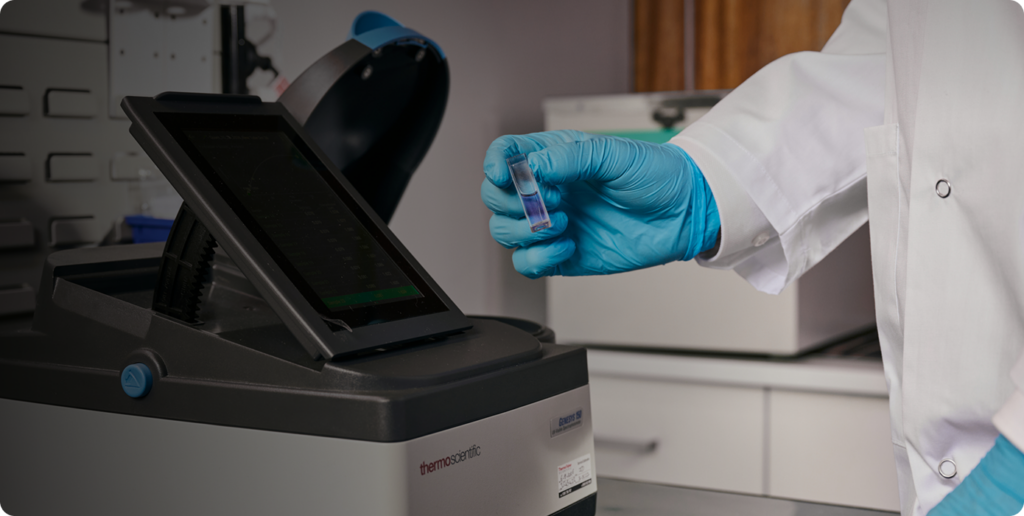
Selecting Data Loggers for Validation Applications
Data loggers provide independent evidence of process conditions during Performance Qualification. However, a logger is not suitable simply because it is calibrated and capable of operating within the required temperature range.
Read article
 Article
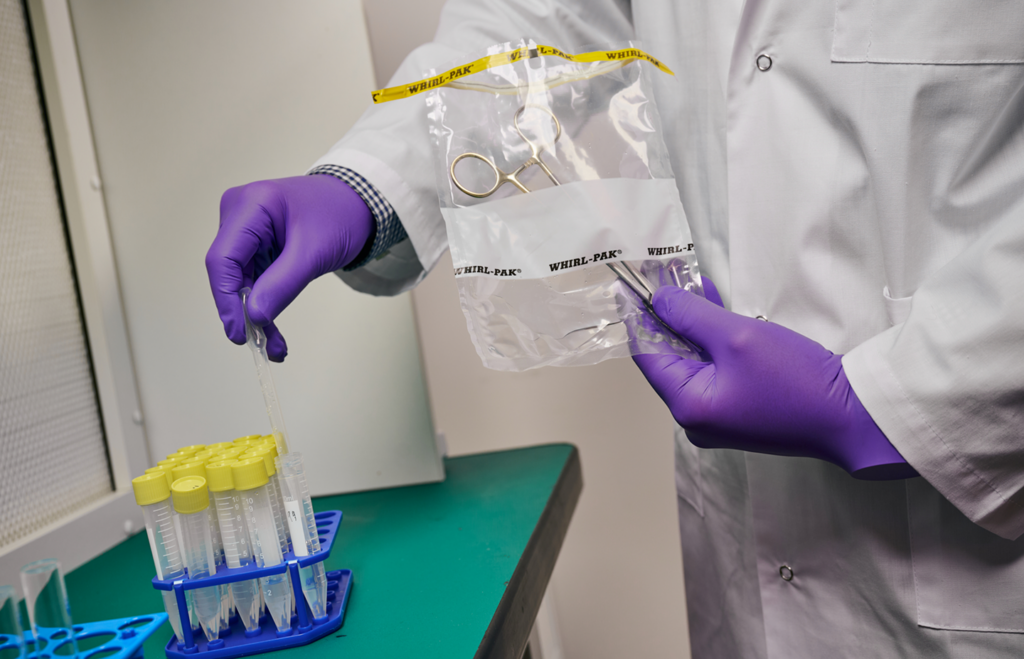
Understanding Water Quality in Reusable Medical Device Reprocessing
Water is a critical input to reusable medical device (RMD) reprocessing. It is used for cleaning, rinsing and thermal disinfection, and as feedwater for the generation of steam used in sterilization.
Read article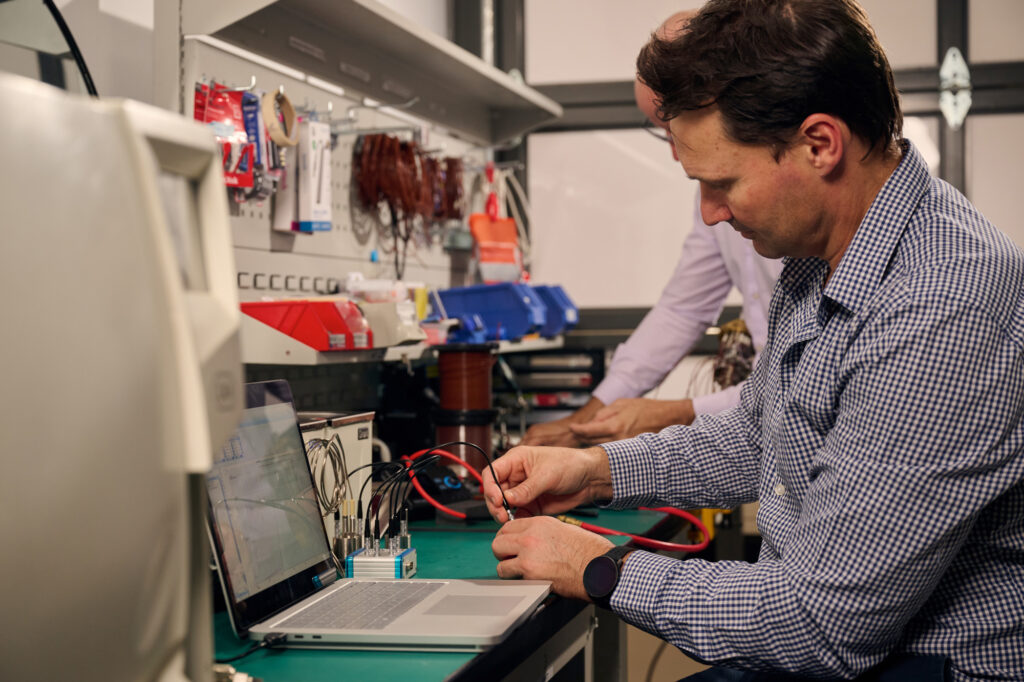 Article
A Guide to Performance Qualification under AS/NZS 5369:2023
Performance Qualification (PQ) forms part of the validation of reusable medical device reprocessing processes.
Read article